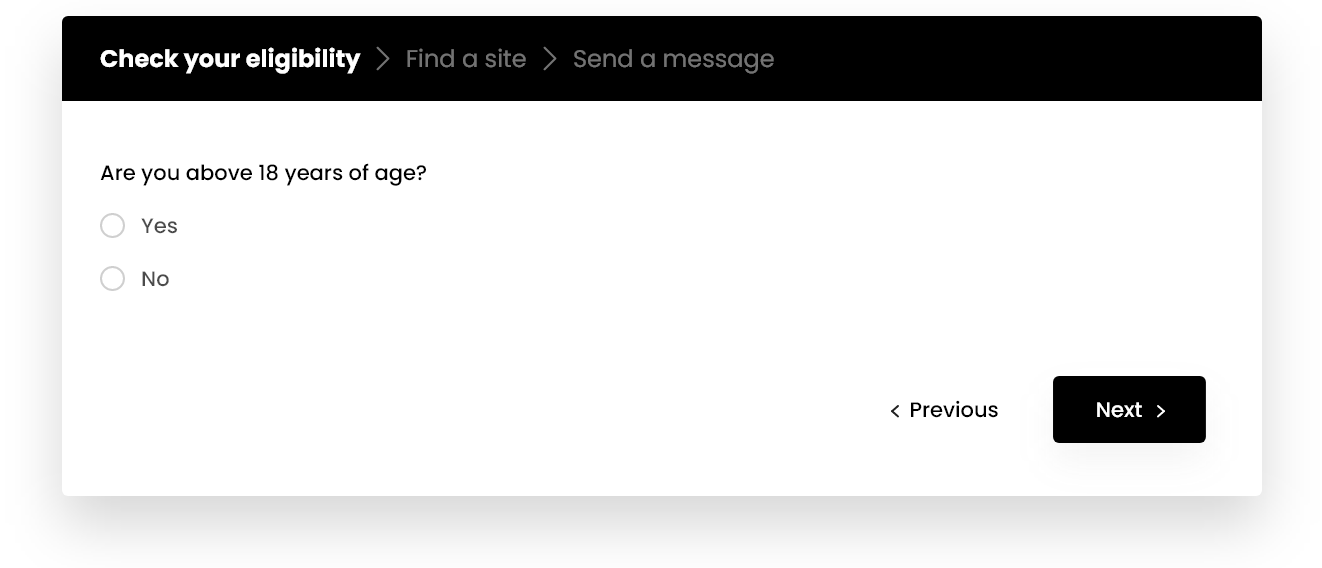
Check your eligibility now & get in touch with a study center
CHECK ELIGIBILITY

Arterial Pressure Derived Dynamic Parameters to Detect Preload Responsiveness in Spontaneously Breathing Patients

The management of septic shock patients includes the infusion of fluids, however fluids may be deleterious if the patient does not respond by increasing cardiac output. By consequence, it is now recommended to predict the fluid response (fluid or preload responsiveness) before infusing them. In this protocol, the investigators will include critically ill patients spontaneously breathing, for whom the physician in charge has decided to test preload responsiveness. The investigators will collect from the continuous monitoring of arterial pressure of the patient the pulse pressure(PP) which is the difference between systolic arterial pressure and diastolic arterial pressure and the pulse pressure variation (PPV) automatically displayed by the monitor in addition to other clinical (hemodynamic, respiratory) parameters. After one minute of passive leg raising manoeuvre (PLR) the investigators collect the same parameters and the investigators will compare the changes of these parameters in patients who are preload responsive to patients who are not. Preload responsiveness will de defined by echocardiographic parameters before and during PLR. More exactly, a surrogate of cardiac output measured by echocardiography wich is VTI of the sub-aorti flow; an increase of more than 12% defines apreload responsive patient.

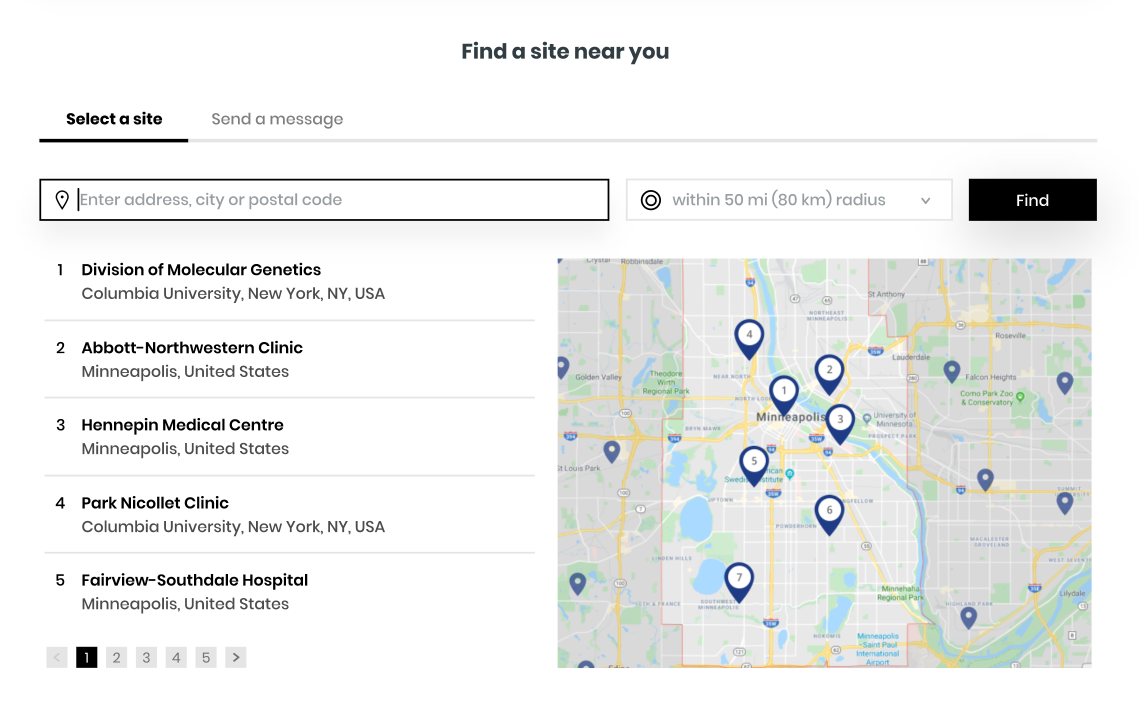
Find a site near you

Detailed Description

*Objectives:

Primary : to assess the diagnostic performance of the decrease in pulse pressure variation (PPV) during a passive leg raising test (PLR) to predict preload responsiveness in spontaneously breathing patients hospitalized in intensive care.

Secondary
  • Evaluate the diagnostic performance of the increase in pulse pressure (PP) during a PLR test to predict preload responsiveness in this same population.
  • Compare before/after PLR measurements other hemodynamic data (blood pressure, cardiac output, heart rate).
  • Experimental scheme: it is a diagnostic and monocentric study.
  • Population / patients:

Inclusion criteria:

  • Patient over 18 years old.
  • Hospitalized in intensive care.
  • For which the clinician in charge of the patient will need to predict the response to fluids and decide on a possible infusion of fluids, because of:
  • Acute circulatory failure with mean arterial pressure < 65mmHg or < 30mmHg of its baseline value for hypertensive patients.
  • And/or other signs of hemodynamic instability (tachycardia, mottling, oliguria, hyperlactatemia).
  • In spontaneous ventilation and without ventilatory assistance.
  • Previously equipped with an arterial catheter.
  • Affiliated to a social security scheme.

Non-inclusion criteria:

  • Patient with arrythmia (PPV is not applicable).
  • Patient with intra-abdominal hypertension (PLR test is not valid).
  • Patient with a contraindication/impossibility to the PLR maneuver (lower limb amputation, respiratory intolerance).
  • Patient with poor echogenicity noted previously.
  • Patient protected by law.
  • Investigation Plan:

Patients meeting the inclusion criteria and not presenting any non-inclusion criteria may be included. The patient will be informed, or his/her relatives if he/she is unable to express their will, of the objectives and the progress of the study. If the patient, or his/her relatives, does not object to participate to the study, the course of the study will be as follows:

  1. The following measurements will be performed before and after the PLR test in spontaneously breathing patients (SB) to evaluate the preload dependency:
    • Hemodynamic data: systolic (SAP), diastolic (DAP), mean (MAP), pulse pressure (PP), heart rate (HR), value of the Pulse Pressure Variation (PPV), cardiac index (CI) if cardiac output monitoring is already present.
    • Echographic data including: time-velocity integral of sub-aortic flow VTI Sub AO); aortic outflow chamber diameter (Diam outflow tract); data from the transmitral pulsed Doppler as well as the data from the tissue Doppler at the mitral annulus (E wave velocity; A wave; E' wave); left ventricular end-diastolic surface.
  2. Collection of demographic parameters (age, sex, comorbidities), acute pathology and severity scores (SAPSII, APACHE II, SOFA) in the patient file.
  3. Collection of oxygenation parameters: mode (conventional oxygen therapy or High Flow), Fio2 or liter O2/min, Flow if applicable.

Simple Text Block

You can use content blocks to arrange your articles, large texts, instructions. Combine these blocks with media blocks to add illustrations and video tutorials. You can use various content blocks to work with your text. Add quotations, lists, buttons. Select your text to change its formatting or add links. You can use various content blocks to work with your text. Add quotations, lists, buttons. Select your text to change its formatting or add links.

Call 1800-9860-568 now to find out if you are eligible.

Age icon
Age
18 - None
Gender icon
Gender
All
NCT ID icon
NCT ID
NCT06480942
Phase icon
Phase
-1
Status icon
Status
Recruiting Now
Medical Condition icon
Medical Condition
Hypovolemia

How is Plaque Psoriasis treated?

Medical Condition icon
Medical Condition
A short sentence to introduce what to expect in the about condition section
Learn more
Study icon
The Study
A short sentence to introduce what to expect in the about condition section
Learn more
Clinical Trials icon
About Clinical Trials
A short sentence to introduce what to expect in the about condition section
Learn more

Your Journey

01
Receiving the medication
You would receive etanercept (Enbrel) twice a week for 12 weeks and then once a week for 12 weeks. Etanercept, as well as study related medical care, is provided at no cost.
02
Visiting the study site
Study participation involves approximately 8 visits to your local study center over 6 to 7 months.
03
Follow-up
There would also be a follow-up telephone call 30days after completing the study. No visits are required after participation is complete.

Contact Form

Add here a custom text for your form

Call 1800-9860-568 now to find out if you are eligible.